Paintless Dent Repair (PDR) is revolutionizing the auto body repair industry due to its efficiency and cost-effectiveness. As more car owners and repair shops discover the advantages of PDR, its popularity is rapidly growing worldwide. This technique offers significant benefits over traditional repair methods, which are often more time-consuming and expensive. PDR is often the preferred method for small dents and dings, offering a viable solution without compromising the vehicle's original paint. Understanding the methodology, benefits, and future of PDR can help car owners make informed decisions about repairing their vehicles.
Understanding the Methodology
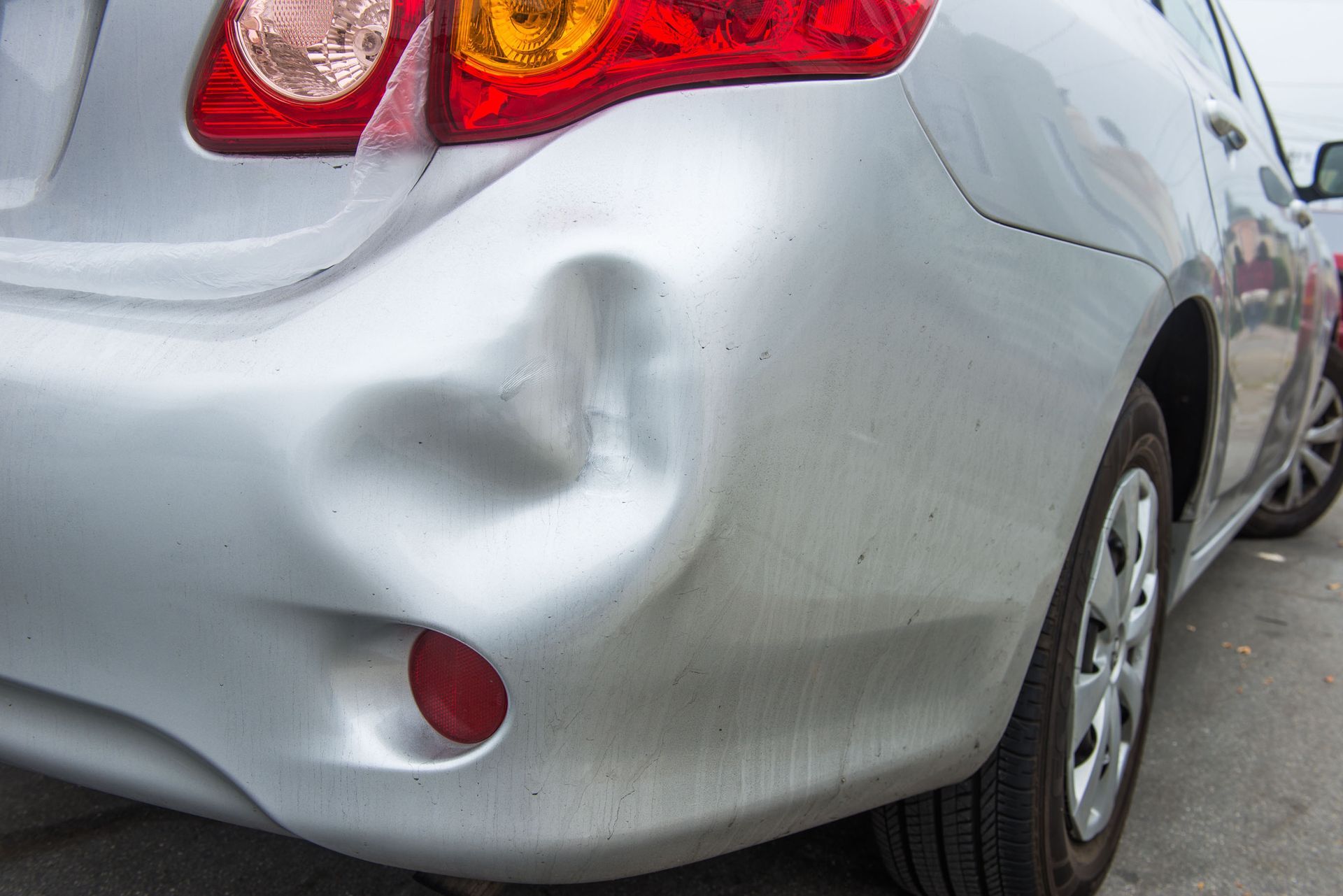
Paintless Dent Repair is a method of removing minor dents from the body of a motor vehicle without the need for repainting. This innovative process involves meticulously massaging the dented metal back into its original form using specialized tools. The primary goal is to maintain the car's original paint, which is why this method does not involve sanding, painting, or the use of fillers. This approach not only preserves the aesthetic appeal of the vehicle but also maintains its structural integrity. PDR is particularly effective for repairing hail damage, door dings, and minor creases.
The methodology involves accessing the dent from behind the vehicle panel, using tools specifically designed for the process. Technicians use a variety of rods and body picks to push the dents back to their original shape gently. Additionally, the process might involve the use of glue tabs and specially formulated adhesives to pull the dents from the outside. Skilled technicians are essential to execute the PDR method effectively since precision and technique are critical for outstanding results. It is a meticulous practice that requires a keen eye and steady hand to ensure the car's surface is restored to its original condition.
Tracing the Origins
According to AAA, somewhere between 80% and 90% of small dings and dents can be successfully resolved through the application of paintless dent repair. This statistic underscores the method's efficiency and capability to resolve a majority of minor vehicle body damages. As such, PDR is gaining traction in the auto repair industry as a preferred choice for dealing with these common issues. Car owners and insurance companies understand the benefits of this environmentally friendly and non-invasive repair method. As knowledge and appreciation of PDR continue to spread, more repairs shops are choosing to certify their technicians in this specialized skill.
The origins of Paintless Dent Repair date back to the 1930s and 1940s, with its birthplace in Germany. Most notably, it gained considerable attention in car manufacturing plants, where factory workers used the technique to repair dents caused during production processes. However, it wasn't until the late 20th century that PDR became popular outside of manufacturing contexts. The method evolved over the decades, with advancements in tools and techniques that have refined the process significantly. Today, PDR is recognized globally as a high-quality alternative to traditional dent repair methods.
Comparing Traditional Methods
Traditional body shop repairs typically involve sanding, filling, and repainting the damaged areas of a car. These methods can be labor-intensive, requiring several steps to ensure that the car's body looks seamless and well-finished. Conversely, PDR bypasses many of these steps, offering a streamlined approach to dent repairs. Traditional methods also tend to be more expensive due to the costs associated with paint materials and additional labor. In contrast, PDR can deliver similar results at a fraction of the cost and time.
An important advantage of PDR over traditional methods is the preservation of the vehicle's original factory paint. This is particularly significant because factory paint is generally of higher quality compared to after-market paints used in repair shops. Original paint also holds value in terms of resale, which traditional repair methods might compromise. By choosing PDR, car owners can ensure that their vehicles maintain their factory-like appearance without reapplying paint.
Identifying Suitable Damages
PDR is especially suitable for repairing various types of damage that are common in everyday driving scenarios. The methodology excels at fixing dents resulting from hail damage, often seen as depressions on a vehicle's roof, hood, and trunk. Another common application for PDR is in the repair of minor dings from parking lot mishaps, such as door dings from adjacent cars. It is also effective for polishing out shallow dents that have not affected the car's paint or structural panels severely. Essentially, dents that have not disrupted the vehicle's paint are potential candidates for PDR.
Despite its many advantages, Paintless Dent Repair has certain limitations that must be acknowledged before opting for this repair method. Firstly, PDR is not suitable for extremely deep or sharp dents that involve significant metal damage. If the dent has resulted in paint chips, cracks, or visible scratches, PDR might not fully restore that vehicle to its original condition. Similarly, if the metal has creased heavily or stretched significantly, traditional repair methods are likely to be more effective. Accurate assessment from a professional technician can provide clarity on whether PDR is the right fit for the damage.
Maximizing Cost and Time Savings
PDR provides a cost-effective solution for minor dent repair, appealing to consumers who prefer affordable options without sacrificing quality. This method bypasses the need for costly paint and labor-intensive bodywork, significantly reducing the overall cost associated with vehicle repair. Traditional repair processes require extensive manual labor and materials, which significantly elevate the labor hours and material costs that traditional shop often passes on to customers. With PDR, the need for these stages is eliminated, allowing for quicker, more affordable solutions. Many insurance companies and policies also favor PDR due to the effectiveness combined with its cost-saving benefits.
The time consumption characteristics of PDR make it substantially more efficient than traditional auto repair methods. PDR generally involves fewer steps because it circumvents sanding, body filler application, and repainting, which are standard in conventional repair procedures. As a result, repairs can be completed much faster, sometimes in as little as a couple of hours depending on the extent of the damage. Customers benefit immensely as prompt repairs translate to minimized downtime and quick access to their automobiles. The speed at which PDR can be performed amplifies its attractiveness alongside the cost efficiency it provides.
Promoting Environmental Sustainability
One significant benefit of PDR lies in its minimal environmental impact compared to traditional repair methods. Since PDR does not involve sanding, painting, or putty application, it eliminates the emission of potentially harmful chemicals and paint solvents into the environment. Often, traditional car body repairs contribute to environmental pollution through volatile organic compounds (VOC) emissions released by paints and finishes. By bypassing these materials, PDR cultivates an eco-friendly approach to vehicle repairs that significantly reduces the ecological footprint associated with such practices.
Preserving Vehicle Resale Value
One of the understated benefits of PDR is its influence on the resale value of vehicles, presenting a financial incentive for car owners to choose this method. Maintained factory paint and bodywork is an indicator of a vehicle's condition, appealing to potential buyers and appraisers. Retaining the factory paintwork complements the resale negotiation, enhancing the perceived value of the car.
Aesthetic condition is a significant consideration during the resale process, and PDR effectively answers this need without compromising on quality or finish.
The strategic benefits of choosing paintless dent repair become clear when assessing how well it preserves the value, structural integrity, and appearance of a modern automobile. Car owners save substantial time and capital by opting for an advanced approach that skips the heavy sanding and invasive chemical applications of older methods. For anyone looking to achieve premium results while keeping their original factory finish intact, turning to dedicated industry professionals is the ideal path forward. Trust your automotive restoration needs to the exceptional team at Dent Menders Paintless Dent & Collision Repair.